Top Robot News This Month
- VC interest in robotics is surging Charts of the Week: https://t.co/qmjdkZzisp https://t.co/7mSdSmKKcmSource
-
 BMW Group intensifies the usage of digitalization and the use of artificial intelligence (AI) in production. With so-called Physical AI, which connects digital AI with real machines and robots, intelligent systems such as humanoid robots can be integrated into real production processes. Following a successful deployment with the humanoid robot Figure 02 at BMW Group […] The post Figure 03 Humanoids at BMW Group Project in Spartanburg appeared first on Humanoid Robotics Technology.LinksSource
 - MUNICH, June 26, 2026--A vast majority of decision-makers from the German industry considers humanoid robots drivers of future innovation in automation. 82 percent of respondents think that Germany should increase subsidies for humanoid robotics development the way China has. This is a finding of the 2026 automatica Trend Index. The survey was commissioned by automatica and a total of 100 German specialists and executives responsible for taking decisions on the adoption of robotics and automatioSource
-
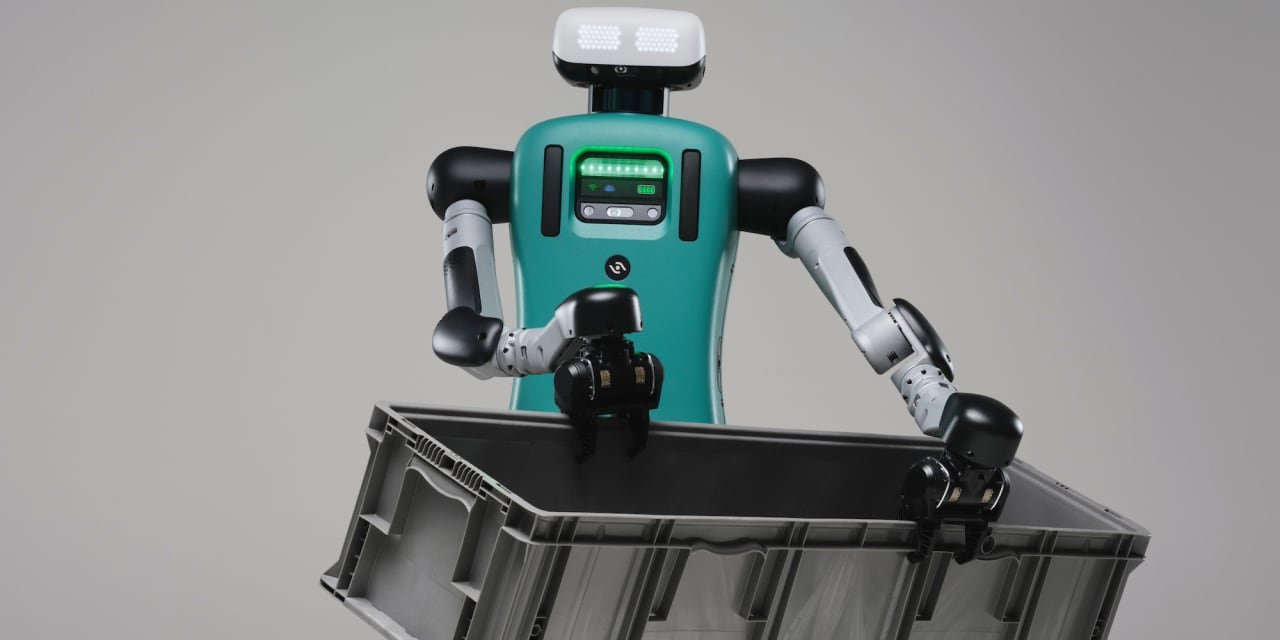 Agility Robotics has agreed to merge with Churchill Capital Corp XI, setting up a possible Nasdaq listing for its Digit humanoid robot business. The post Agility Robotics SPAC deal would take Digit to Nasdaq appeared first on Humanoid.guide.Source
 -
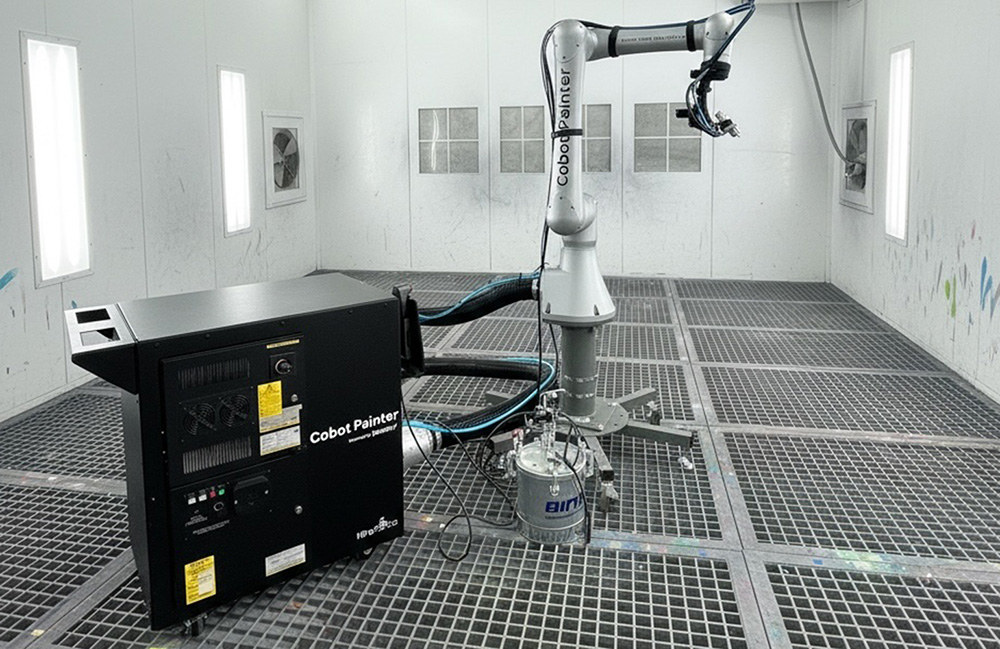 Hirebotics' Cobot Painter supports stationary painting, with parts placed in a paint booth where robots perform all spraying operations. The post Hirebotics offers no-code, explosion-proof cobot for painting appeared first on The Robot Report.Source
 -
 Field Dispatch · Automate 2026 · Analysis What the floor was really telling us By Leo Terry · Reporting from McCormick Place, Chicago Humanoid Guide sent Leo Terry to Chicago for three days on the Automate 2026 floor, and he came back with more than a highlight reel. Between the keynotes, the market sessions and... The post Automate 2026 Humanoid Robots: Floor Report & Analysis appeared first on Humanoid.guide.Source
 -
 Boston Dynamics has announced plans to transform a 323,000-square-foot facility at 1601 Trapelo Road (Reservoir Place) in Waltham into an advanced robotics and AI centre. The facility is located near the company’s existing headquarters, just across Route 128 and approximately 12 miles outside Boston. The new building will consolidate operations currently housed at three nearby locations and […] The post Boston Dynamics Announces New 323,000 Square Foot Facility to Advance Humanoid Robotics appeared first on Humanoid Robotics Technology.LinksSource
